When people around the world encounter Japanese love dolls for the first time,
many describe a feeling that goes beyond visual realism.
They often say the same thing:
Japanese love dolls feel more human.
But what does “human” really mean in this context?
And why do Japanese-made dolls evoke this reaction more often than Western dolls?
Why “Realism” Means More Than Appearance
In many Western-made dolls, realism is defined by anatomy.
Muscle definition, exaggerated proportions, and explicit physical detail
are often the primary focus.
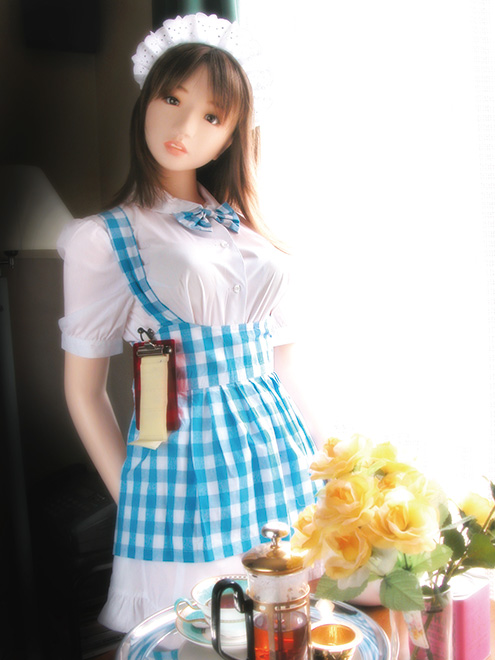
Japanese love dolls approach realism differently.
Instead of asking how closely a body can be replicated,
Japanese craftsmen ask how a presence should feel.
The result is not a doll that simply looks real,
but one that feels quietly alive in a shared space.
The Japanese Philosophy Behind Human-Like Dolls
Japan has a long cultural history of attributing meaning and presence to objects.
Traditional dolls were never seen as disposable items,
but as entities that could hold memory, emotion, and intention.
This cultural perspective carries over into modern Japanese love doll creation.
The goal is not dominance or control,
but coexistence.
A Japanese love doll is designed to be with someone,
not used by someone.
Craftsmanship That Focuses on Emotion, Not Just Anatomy
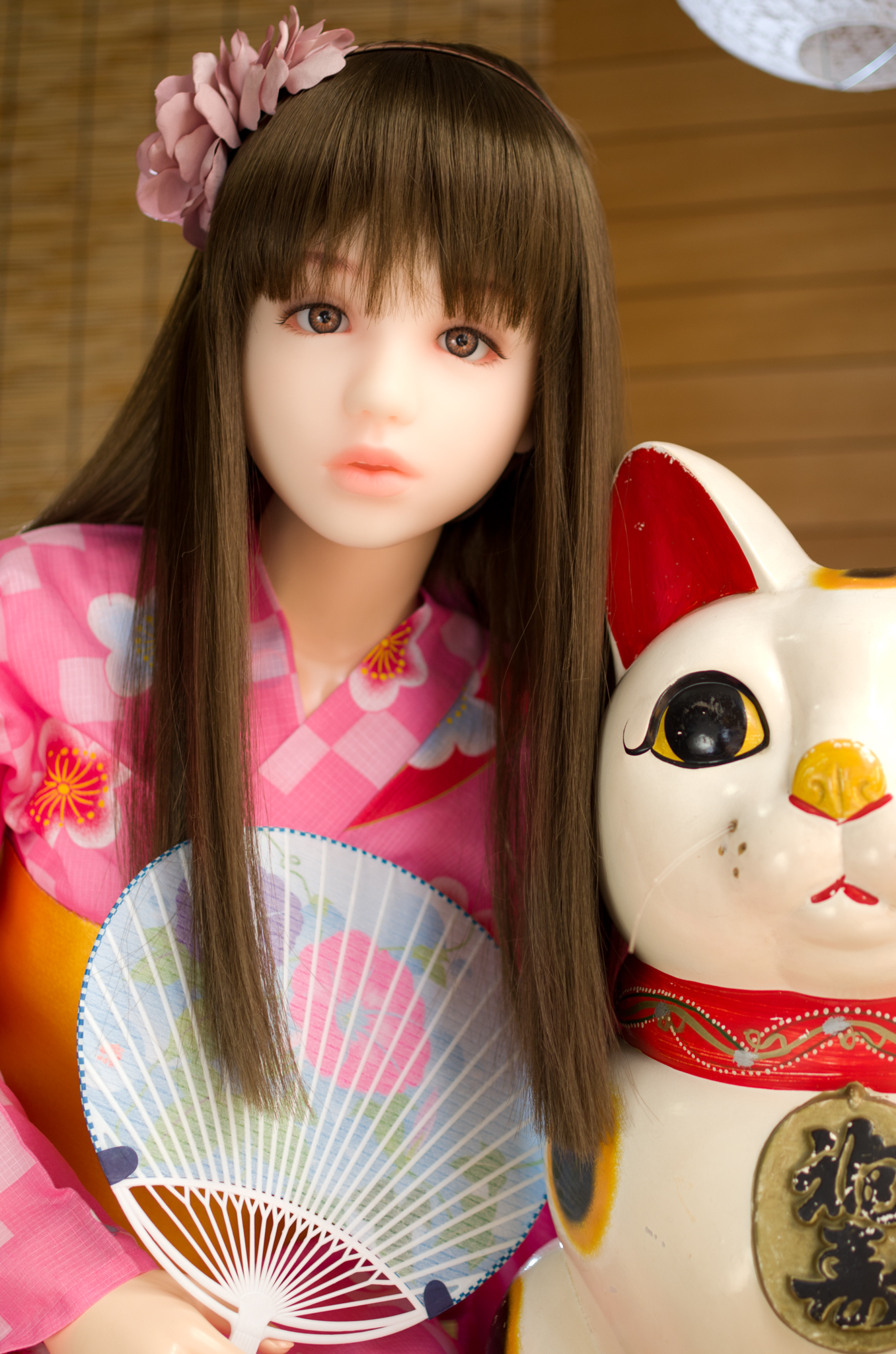
Japanese doll artisans pay extraordinary attention to subtle details:
the softness of facial expressions,
the natural ambiguity of eye direction,
and skin textures that are intentionally imperfect.
These imperfections are not flaws.
They create emotional space,
allowing the owner to project feelings naturally.
Rather than overwhelming the viewer with precision,
Japanese craftsmanship invites connection.
Why Western Dolls Often Feel Different
Western dolls are frequently produced through industrial processes
that prioritize efficiency, modular parts, and visual impact.
While many are technically impressive,
their design often leaves little room for emotional interpretation.
As a result, they may appear realistic,
yet still feel like objects rather than companions.
Why Many Owners Describe Japanese Dolls as “Companions”
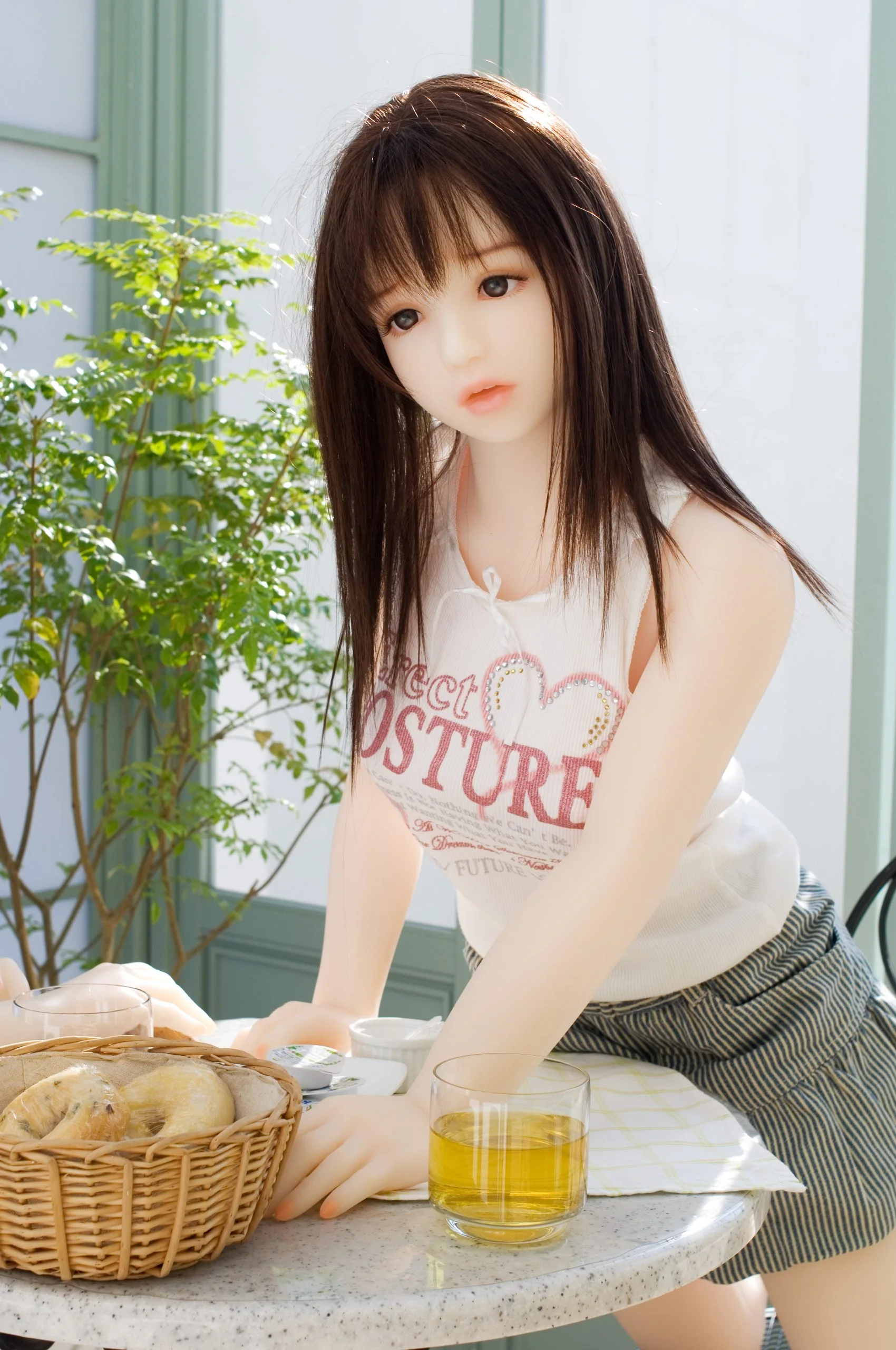
Owners of Japanese love dolls often give their dolls names,
dress them carefully,
and integrate them naturally into daily life.
This behavior is not accidental.
It is encouraged by a design philosophy that respects emotional attachment.
Japanese love dolls are created to be present,
quietly supportive,
and emotionally approachable.
How This Philosophy Shapes Brands Like Orient Industry
Orient Industry exemplifies this uniquely Japanese approach.
Rather than pursuing mechanical perfection,
the company focuses on emotional authenticity.
Their dolls are not designed to imitate life aggressively,
but to be accepted gently as part of it.
This is why so many people feel that Japanese love dolls,
especially those made by experienced artisans,
feel more human than their Western counterparts.
It is not about realism alone.
It is about presence, philosophy, and trust.
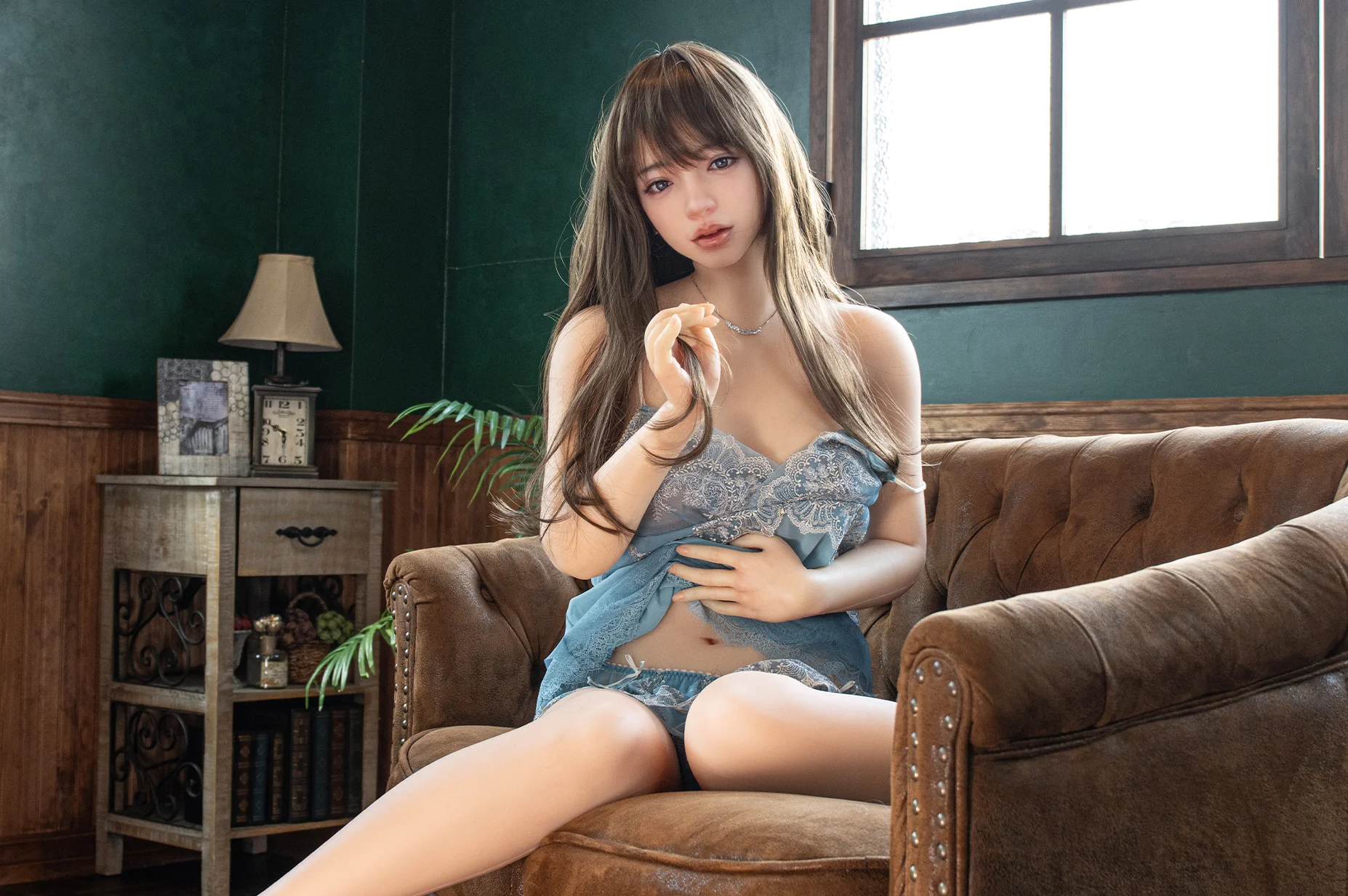
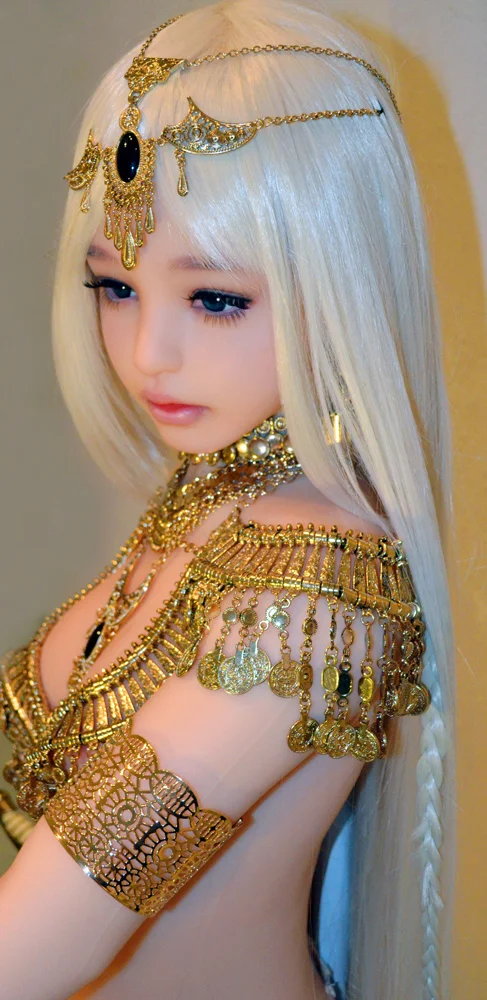
※Image usage permission granted



*You may use your browser’s translation feature if needed.
For official specifications, ordering details, and the most accurate information: Official Contact Page (English)
Mentioning that you found them through this informational site may help ensure smoother communication.