
Japanese Love Dolls: Silicone vs TPE – Which Is Better?
One of the most common questions from overseas buyers is simple:
Should you choose silicone or TPE?
The answer depends on what you value most — softness, durability, or long-term ownership.
Silicone vs TPE: Key Differences
Understanding the difference between these two materials is essential before making a decision.
- TPE: softer, more flexible, lower cost
- Silicone: more durable, stable, non-porous
Both materials have advantages, but they serve different purposes.
What TPE Feels Like
TPE (Thermoplastic Elastomer) is commonly used in mass-produced dolls.
It is known for its softness and flexibility, which can feel more skin-like at first touch.
However, TPE is porous, meaning it can absorb oils and requires careful maintenance over time.
Why Premium Japanese Dolls Use Silicone
This is where the difference becomes important.
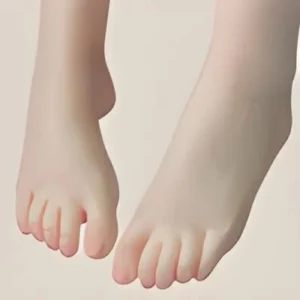


Many premium Japanese manufacturers, including Orient Industry, use silicone.
This is not just a design choice — it is a long-term quality decision.
- non-porous surface (better hygiene control)
- stable structure over time
- resistant to oil absorption
- consistent color and texture
Silicone is designed for durability and long-term ownership.
---
Which Material Lasts Longer?
In most cases, silicone maintains its shape and surface condition longer when properly maintained.
TPE may feel softer initially, but it can degrade faster if not carefully managed.
This is why many buyers consider silicone a long-term investment.
So, Which One Should You Choose?
The best choice depends on your priorities:
- Choose TPE if you want lower cost and maximum softness
- Choose Silicone if you want durability, stability, and long-term value
For buyers who value craftsmanship, consistency, and longevity, silicone is often preferred.
Why This Matters for Japanese Love Dolls
Japanese manufacturers are known for precision and quality control.
Material choice reflects that philosophy.
It is not just about softness — it is about how the product holds up over time.
If you want to understand more about the craftsmanship, models, and philosophy behind Orient Industry, see our
Complete Guide to Orient Industry Love Dolls
See How Silicone-Based Japanese Dolls Are Built
If you are considering a long-term purchase, it is important to see how these differences appear in real products.


※Image usage permission granted
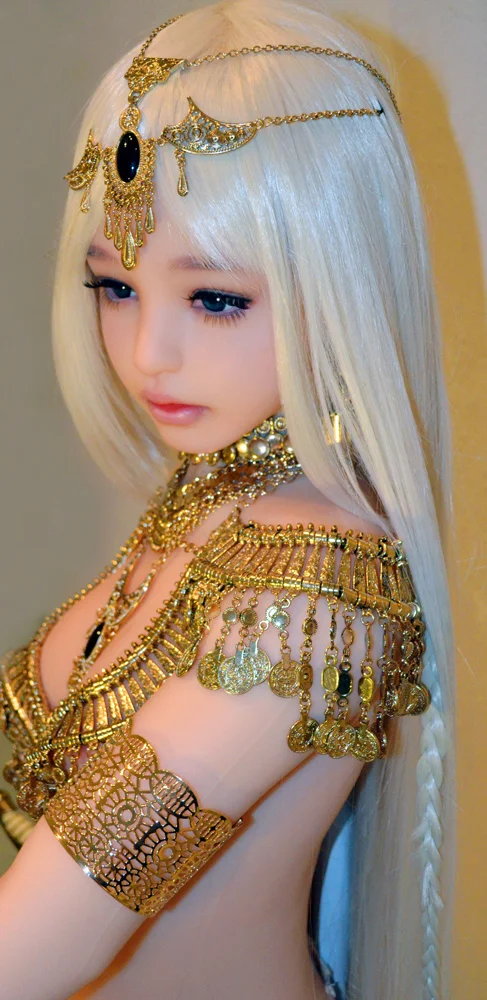
[Images] Exquisite Japanese Love Dolls Crafted with Luxury and Artistry



*You may use your browser’s translation feature if needed.
For official specifications, ordering details, and the most accurate information: Official Contact Page (English)
Mentioning that you found them through this informational site may help ensure smoother communication.